Roundup and Children: What Every Parent Needs to Know About Cancer, Glyphosate, and Legal Rights
Every year, thousands of children receive a cancer diagnosis that turns their family’s world upside down. For some families, that diagnosis may be connected to Roundup exposure, a widely used weed killer whose active ingredient, glyphosate, has been classified as a probable human carcinogen.
At Rueb Stoller Daniel, we have spent years representing families harmed by toxic chemical exposure, including those pursuing a Roundup lawsuit after a child’s cancer diagnosis. This guide covers the science behind glyphosate and pediatric cancer, the legal rights families hold, and the steps you can take right now to protect your child and pursue the justice your family deserves.
Understanding Roundup, Glyphosate, and Childhood Exposure
Roundup is one of the most widely used weed killers in the world, and its connection to childhood cancer has become a growing concern for families and legal professionals alike.
What Is Roundup and Why Is It Controversial?
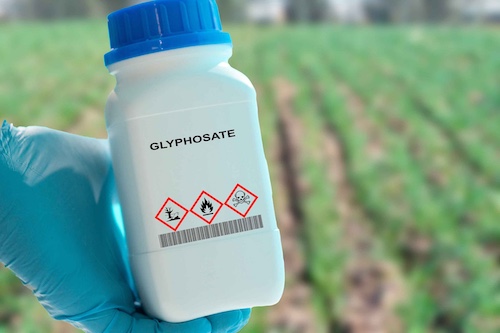
Roundup is a weed killer produced by Bayer, formerly Monsanto, used in homes, farms, and public spaces for decades. Its active ingredient is glyphosate, a chemical that kills weeds by disrupting a specific enzyme pathway in plants.
The International Agency for Research on Cancer (IARC) classified glyphosate as “probably carcinogenic to humans” in 2015. That classification had sweeping implications for public health and opened the door to thousands of lawsuits against the manufacturer.
How Children Can Be Exposed to Roundup
Children can be exposed to Roundup through several pathways. Residential use is among the most common, including direct contact with treated lawns, gardens, and parks. Glyphosate residues have also been detected in food products, creating a dietary exposure risk.
Families living near agricultural areas face additional risk from environmental drift. Children are more vulnerable than adults because their bodies are still developing and process chemicals differently. Long term glyphosate exposure during critical growth stages can increase the risk of serious health issues, including cancer.
The Link Between Roundup, Glyphosate, and Pediatric Cancer
Scientific research has increasingly connected glyphosate exposure to pediatric cancer, raising urgent questions for families and medical professionals.
Types of Cancer Associated with Glyphosate Exposure
Non-Hodgkin’s lymphoma is the cancer most frequently linked to Roundup and glyphosate exposure. Subtypes include lymphoblastic lymphoma, B-cell lymphoma, and T-cell lymphoma. Research published in Leukemia & Lymphoma in 2023 supported a connection between glyphosate exposure and these diagnoses.
Other cancers and blood disorders have also been associated with glyphosate, including leukemia and follicular lymphoma. Studies on residential pesticide use have added further weight to these findings, strengthening the scientific evidence used in Roundup litigation.
Recognizing Symptoms and Diagnosing Cancer in Children
Cancer symptoms in children can vary and sometimes occur suddenly. Common signs include persistent pain, constant tiredness, unexplained bleeding, lumps or masses, vision changes, and other health issues that do not resolve on their own.
Parents should seek an accurate diagnosis as early as possible. Doctors typically conduct a physical exam, order blood tests and imaging tests, and review the child’s medical history. Early detection gives children the best chance at effective treatment and recovery.
Why Pediatric Cancer Cases Deserve Special Attention
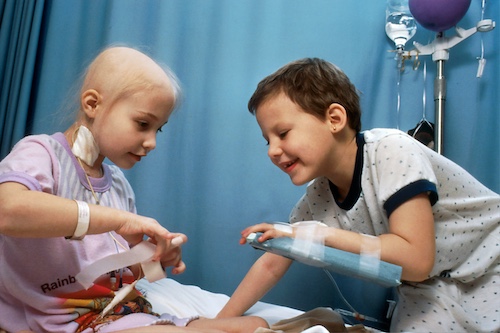
Children diagnosed with cancer face a long road that often includes chemotherapy, surgery, and long-term monitoring. The physical and emotional toll on families is significant.
Glyphosate exposure in children is particularly concerning because their developing bodies absorb and process chemicals differently than adults. Pediatric cancer cases linked to Roundup represent some of the most serious health issues emerging from this litigation.
Legal Rights: Can Families File a Lawsuit for a Child’s Cancer Diagnosis?
Families dealing with a child’s cancer diagnosis related to Roundup exposure have legal options, and understanding those options is the first step toward seeking justice.
The Legal Landscape of Roundup Litigation
Roundup litigation has grown into one of the largest mass tort cases in United States history. The primary consolidation is Multidistrict Litigation No. 2741, based in the Northern District of California. Thousands of plaintiffs have filed claims against Bayer, alleging that Roundup caused their cancer.
Most Roundup lawsuits have involved adults, but pediatric cases are emerging. Cases involving children, including the Bellah and Bargas cases, are drawing significant attention. These cases could set important precedents for how courts handle childhood cancer claims tied to glyphosate exposure.
Criteria for a Valid Roundup Lawsuit Involving Children
Families must meet specific criteria to file a valid Roundup lawsuit. First, there must be proof of Roundup or glyphosate exposure. This can include purchase records, evidence of residential proximity to treated areas, or documentation of parental use near the child.
Second, the child must have a confirmed medical diagnosis of a qualifying cancer type. Third, families must establish a plausible link between the exposure and the diagnosis, supported by a clear timeline and scientific evidence.
Evidence and Documentation Needed
Strong documentation is essential to building a successful claim. Families should gather medical records, treatment history, and a full account of associated costs. Receipts or other evidence of Roundup product use are also important.
Expert testimony plays a key role in connecting glyphosate exposure to the cancer diagnosis. In cases where a child has passed away, a death certificate will also be required. Roundup lawyers can help families identify and organize all necessary documentation.
Navigating the Litigation Process: What Families Can Expect
Filing a Roundup lawsuit for a child’s cancer diagnosis involves several key steps, and knowing what to expect can help families move forward with confidence.
Steps in Filing a Roundup Lawsuit for a Child
The process begins with an initial consultation with experienced Roundup lawyers. During that meeting, attorneys review the child’s medical history, exposure details, and eligibility for a claim. From there, the legal team begins investigating and gathering evidence.
Once evidence is compiled, the lawsuit is filed in either state or federal court depending on the circumstances. State laws and federal law considerations both factor into where and how the case is filed. Some cases may be included in the consolidated MDL in the Northern District of California.
The Role of Expert Witnesses and Scientific Evidence
Expert witnesses are essential to pediatric Roundup cases. Attorneys rely on medical and scientific experts to establish a clear connection between glyphosate exposure and the child’s cancer diagnosis. Courts require credible, well-supported testimony to move these cases forward.
Pediatric cases present unusual scientific issues that make expert testimony especially important. Findings from the International Agency for Research on Cancer and other research bodies are frequently used to support claims in court.
Settlement and Compensation: What Families May Receive
Bayer has paid over $11 billion to resolve thousands of Roundup claims, including a $7.25 billion settlement aimed at resolving current and future claims. Compensation in these cases can cover medical costs, pain and suffering, future health care needs, and punitive damages.
Child plaintiffs may receive different compensation considerations than adults given the long-term nature of their treatment and recovery. Roundup lawyers can help families understand what a fair settlement looks like based on the specifics of their case.
Contact Rueb Stoller Daniel for a Free Roundup Lawsuit Consultation!
If your child has been diagnosed with cancer and you believe Roundup or glyphosate exposure may be a factor, do not wait to seek legal guidance. Our team at Rueb Stoller Daniel is ready to review your case, answer your questions, and help your family understand every available legal option. We have the experience, resources, and commitment to fight for the compensation your child deserves.
Contact us at 1-866-CALL-RSD for a free case review today!


