The Link Between Depo-Provera and Breast Cancer: What You Need to Know
Depo-Provera is a common birth control method, yet many women have questions about its link to breast cancer risk. Some studies suggest an increased risk with longer use, while others show mixed results. These findings can create confusion for patients who want clear answers about their health and legal rights.
Rueb Stoller Daniel supports women by providing clear information based on clinical oncology research and current guidelines. Our firm also helps individuals understand their options by working with an experienced attorney in Depo-Provera lawsuits when harm may be linked to use. This guide explains how Depo-Provera works, how it may affect breast tissue, and which risk factors matter most, while outlining symptoms, screening, and treatment considerations for informed decisions.
Understanding Depo-Provera: What Is It and How Does It Work?
Depo-Provera is a widely used birth control method that affects the menstrual cycle and hormone activity to prevent pregnancy.
What Is Depo-Provera
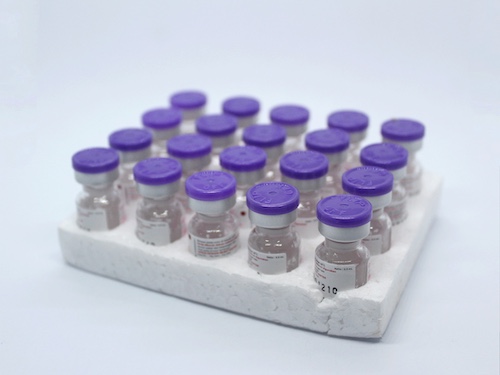
Depo-Provera is a hormonal contraceptive that contains medroxyprogesterone acetate. Healthcare providers administer it as an injection every three months. It is also known as depot medroxyprogesterone acetate and is available as Depo-Provera and Depo SubQ Provera. Many women choose it as a birth control option because it does not contain estrogen.
How Depo-Provera Prevents Pregnancy
Depo-Provera prevents pregnancy by suppressing ovulation. The medication reduces hormone signals that control the menstrual cycle. It thickens cervical mucus, which blocks sperm movement. It also thins the uterine lining, which reduces the chance of implantation.
Usage and Administration
Healthcare professionals give the injection once every 12 weeks. Patients must receive each dose on schedule to maintain effectiveness. The last injection remains active in the body for several weeks. Some women may need to wait before fertility returns after stopping the medication.
Why Women Choose Depo-Provera
Many women prefer Depo-Provera because it requires infrequent dosing. It offers a reliable option for preventing pregnancy without daily pills. Healthcare providers may recommend it for women with heavy bleeding or sickle cell disease. Some patients also choose it to avoid estrogen-based birth control methods.
The Alleged Link: Depo-Provera and Breast Cancer Risk
Research examines whether Depo-Provera affects breast cancer risk through hormonal changes in breast tissue.
Why the Link Raises Concern
Depo-Provera contains medroxyprogesterone acetate, a synthetic hormone that interacts with progesterone receptors in breast tissue. Hormonal activity can influence how breast cells grow and divide. Some researchers study whether this process may increase the risk of breast cancer in certain women. The concern focuses on how long-term hormone exposure may affect cancer cells.
What Research Shows
Several studies report a higher risk of breast cancer in women who use Depo-Provera for 12 months or longer. One finding shows about a 2.2-fold increase in invasive breast cancer among recent users. Other studies show no clear association, which creates mixed results across clinical oncology research. The variation depends on study design, patient age, and duration of use.
Understanding Breast Cancer Risk
Breast cancer develops when abnormal cells grow in breast tissue. These cancerous cells may form a breast lump or spread to nearby lymph nodes. Risk factors include age, hormone therapy, family history, and radiation exposure. Depo-Provera may act as one factor among many that influences overall breast cancer risk.
Role of Health Organizations
The National Cancer Institute and the American Cancer Society review data on hormonal contraceptives and cancer risk. These organizations state that evidence remains limited and does not confirm a direct cause. They encourage women to discuss birth control choices with healthcare providers. Clinical trials continue to study how hormonal methods affect long-term cancer outcomes.
Who Faces the Highest Risk?
Certain factors can increase breast cancer risk in women who use Depo-Provera.
Age and Timing of Use
Younger women may face a higher risk of developing breast cancer with Depo-Provera use. Studies often focus on women ages 25 to 34. Risk appears higher in those who start using before age 25. Early exposure to hormonal birth control may affect breast tissue during active development.
Duration of Use
Longer use of Depo-Provera may increase breast cancer risk. Women who use the injection for 12 months or more show a higher risk in some studies. Current or recent use may carry more impact than past use. The body continues to respond to medroxyprogesterone acetate during active treatment.
Family History and Genetics
Family history plays a key role in breast cancer risk. Women with close family members who have breast cancer or other cancers may face a higher risk. Genetic factors can affect how cancer cells develop in breast tissue. Healthcare providers often review family history before recommending hormonal contraceptives.
Lifestyle and Health Factors
Lifestyle choices can influence overall cancer risk. Smoking, poor diet, and low physical activity may increase risk. Maintaining a healthy weight can help reduce the chance of developing breast cancer. These factors may combine with hormonal exposure to affect outcomes.
Other Medical Risk Factors
Other conditions can raise breast cancer risk. Prior radiation exposure, especially at a young age, can increase risk. Use of menopausal hormone therapy may also affect hormone levels in the body. Some women have genetic predispositions that increase sensitivity to hormone-related cancers.

What Symptoms Should Users Watch For?
Early recognition of symptoms can help detect breast cancer and other serious conditions at a treatable stage.
Signs of Breast Cancer
Women should watch for changes in breast tissue that may signal breast cancer. A breast lump is one of the most common symptoms. Changes in skin texture, such as dimpling or redness, may also occur. Nipple discharge or inversion can indicate abnormal activity in milk ducts. Pain in the breast or nearby tissue should not be ignored.
Changes in Lymph Nodes
Breast cancer can spread to nearby lymph nodes. Swelling under the arm or near the collarbone may signal involvement of lymph nodes. These changes may occur even without a clear breast lump. Early detection can improve breast cancer survival rates.
Neurological and Severe Symptoms
Some side effects linked to Depo-Provera may involve neurological symptoms. Persistent headaches, vision changes, or balance issues require prompt medical attention. These signs may relate to rare conditions such as brain tumors. Patients should report severe or unusual symptoms to healthcare providers.
When to Seek Medical Care
Women should contact healthcare professionals if they notice new or worsening symptoms. Early diagnosis can improve treatment outcomes and daily life. Regular screening and clinical exams help detect breast cancer before it spreads. A healthcare team can guide next steps based on symptoms and risk factors.
Weighing the Benefits and Risks: Should You Stop Using Depo-Provera?
Decisions about Depo-Provera use depend on how individual risk factors compare with its benefits for birth control and health management.
Assessing Personal Risk
Women should review their breast cancer risk with healthcare providers. Key factors include age, family history, and prior radiation exposure. Duration of Depo-Provera use and timing of the last injection also matter. Some women may face a higher risk due to genetic factors or hormone sensitivity.
Benefits of Depo-Provera
Depo-Provera provides effective birth control with one injection every three months. It helps prevent pregnancy without daily action. Some women use it to manage heavy bleeding and regulate the menstrual cycle. It can also support patients with conditions such as sickle cell disease.
Considering Alternative Options
Women with a higher risk of breast cancer may consider other birth control methods. Non-hormonal options and low-hormone contraceptive technology may reduce exposure to medroxyprogesterone acetate. Each method has its own risk profile and effect on the body. Healthcare professionals can explain these options based on medical history.
Role of Healthcare Providers
Healthcare providers guide decision-making through risk assessment and clinical knowledge. They review symptoms, family history, and overall health. A healthcare team may suggest screening or changes in treatment. Shared decisions help align care with patient needs and preferences.
Importance of Screening and Monitoring
Regular screening helps detect breast cancer at an early stage. Early diagnosis can improve breast cancer survival rates and treatment outcomes. Women should monitor symptoms such as a breast lump or skin changes. Ongoing care supports better daily life and long-term health.

Take the Next Step With Rueb Stoller Daniel!
If you used Depo-Provera and have concerns about breast cancer risk or related health effects, our team at Rueb Stoller Daniel can help you review your situation. An experienced attorney can assess your case, explain your legal options, and guide you through the process with clear direction. You do not have to manage this alone.
Contact us at 1-866-CALL-RSD for a free case review today!


